
· Goher K · Cloud & DevOps · 12 min read
Maximize Enterprise Efficiency with Managed IT Services
Streamline enterprise operations with managed IT services. Discover proactive network monitoring, cybersecurity protocols, and scalable cloud maintenance.
The Insidious Drain: Operational Risk in the Digital Age
Let’s be direct. In today’s hyper-connected business landscape, “IT issues” aren’t just an inconvenience; they’re a direct assault on your bottom line and your brand’s reputation. The romanticized image of a lean startup or a rapidly scaling enterprise often glosses over the brutal reality of operational risk. Unplanned downtime, for instance, isn’t merely a temporary halt in operations. It’s a cascading failure: lost sales opportunities, frustrated customers migrating to competitors, plummeting employee productivity, and the frantic scramble of your team attempting to triage a situation they’re not fully equipped to handle. Consider the direct financial impact: every minute your core systems are offline translates into tangible revenue loss, often compounded by indirect costs like recovery efforts and reputational damage.
Beyond the immediate crisis of an outage, there’s the silent erosion caused by unpatched vulnerabilities. Think of your digital infrastructure as a fortified castle. Every unpatched system is a small, unmonitored back gate. While the front gates might be heavily guarded, a sophisticated attacker will always seek the path of least resistance. The sheer volume of new threats emerging daily means that keeping your defenses impenetrable is a full-time, specialized job. A single successful breach can lead to data loss, regulatory fines, intellectual property theft, and a crippling blow to customer trust – a trust that takes years to build and moments to shatter.
Then there are legacy systems. These aren’t just quaint relics of a bygone era; they’re anchors dragging down innovation and efficiency. They often require specialized knowledge that’s becoming increasingly rare, are difficult to integrate with modern applications, and present significant security blind spots. The maintenance costs alone can be exorbitant, yet the perceived complexity and disruption of migrating away from them often paralyzes organizations. This inertia breeds inefficiency, creating bottlenecks that impede growth and prevent your teams from leveraging cutting-edge tools and workflows. The cumulative effect of these operational risks isn’t just a headache; it’s a significant drain on revenue and a formidable barrier to achieving your strategic objectives.
Architecting for Tomorrow: From Firefighting to Foresight
The traditional approach to IT – waiting for something to break and then scrambling to fix it – is not just unsustainable; it’s detrimental. True resilience and competitive advantage in the digital sphere stem from a proactive, strategically architected IT environment. This means moving beyond the reactive firefighting mentality and embracing a framework built on foresight, automation, and intrinsic security.
The Power of Proactive Monitoring and Automation
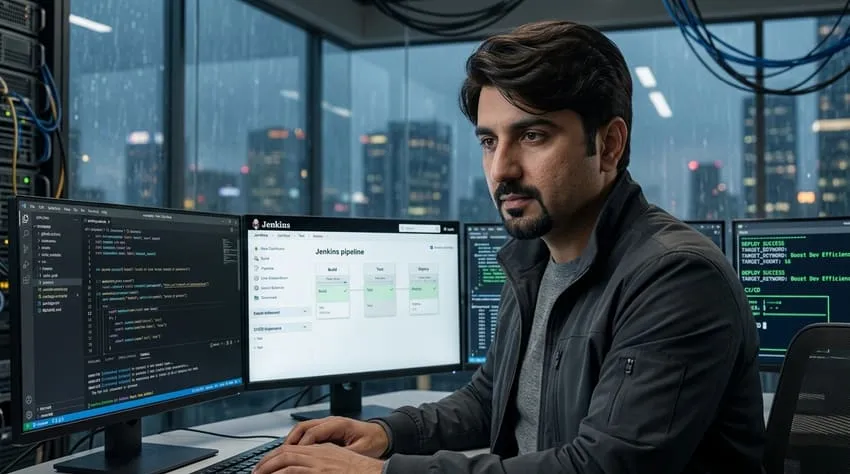
Imagine a world where potential issues are flagged and often resolved before they ever impact your operations. This is the promise of automated monitoring. Instead of discovering a server outage when your customers start complaining, intelligent systems continuously track performance metrics, identify anomalies, and trigger automated alerts or even self-healing processes. This isn’t just about reducing downtime; it’s about optimizing resource allocation, predicting capacity needs, and ensuring consistent service delivery. Leveraging AI, as we’re seeing with leading security and IT service providers, means more alerts can be handled with greater precision, automating routine tasks and freeing up your skilled personnel for higher-value strategic initiatives. This paradigm shift transforms your IT from a cost center reacting to problems into an agile engine driving business continuity and innovation.
Embracing the Zero-Trust Security Model
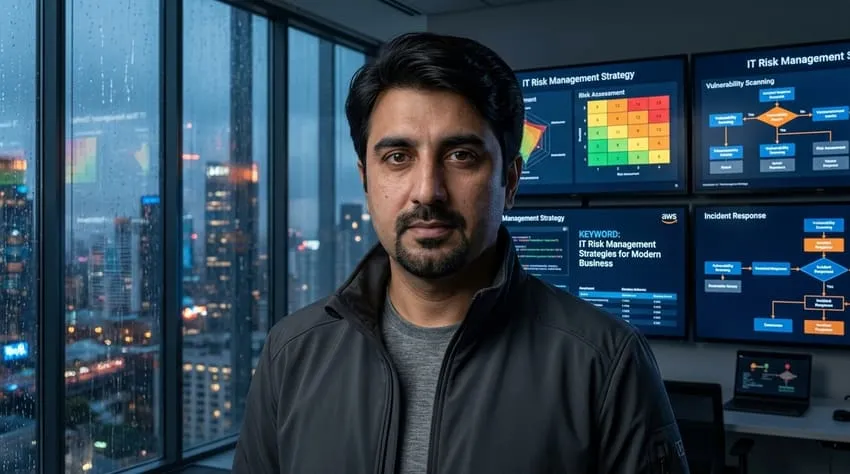
The old perimeter-based security model, where everything inside the network was implicitly trusted, is fundamentally broken in an era of cloud computing, remote work, and sophisticated cyber threats. The modern imperative is Zero-Trust: “never trust, always verify.” This means that every user, every device, and every application, whether inside or outside your traditional network boundaries, must be authenticated and authorized before gaining access to resources. Implementing Zero-Trust requires a fundamental shift in how access is granted and managed, often involving micro-segmentation, multi-factor authentication, and continuous monitoring of user behavior and device health. It’s a rigorous approach, but it significantly shrinks your attack surface and contains breaches more effectively, minimizing their potential impact. The growing trend of 24/7 threat monitoring and AI-driven security services underscores the necessity of continuous vigilance in safeguarding your digital assets against an ever-evolving threat landscape.
Scalable Cloud Workflows: Agility as a Core Competency
The cloud is no longer an optional add-on; it’s the bedrock of modern enterprise agility. Shifting to scalable cloud workflows means your infrastructure can flex and adapt precisely to your business needs, whether it’s a sudden surge in demand or a strategic pivot. This agility translates directly into cost efficiency – you pay only for what you use – and dramatically reduced time-to-market for new products and services. More importantly, it liberates your business from the capital expenditure and operational burden of managing physical servers. Whether it’s Infrastructure-as-a-Service (IaaS), Platform-as-a-Service (PaaS), or Software-as-a-Service (SaaS), a well-architected cloud strategy provides the elasticity required to compete and grow. For specialized environments like Operational Technology (OT), solutions such as Rockwell Automation’s expanded SecureOT Managed Services demonstrate how even highly specific and sensitive systems can benefit from expert-managed cloud security.
The Hidden Costs of In-House IT: Unveiling Internal Bottlenecks
Many organizations, particularly as they scale, believe that managing complex IT infrastructure in-house is a sign of control or cost-effectiveness. The reality is often far different. The hidden overheads and talent gaps associated with maintaining specialized IT capabilities internally can become significant bottlenecks, diverting resources and focus from your core business objectives.
The Specialization Trap: A Never-Ending Arms Race
The breadth and depth of modern IT specializations are staggering. You need experts in cloud architecture, network engineering, cybersecurity threat intelligence, data analytics, disaster recovery planning, endpoint management, and compliance, to name just a few. Each of these domains evolves at a breakneck pace. Maintaining an in-house team with expertise across all these critical areas requires continuous recruitment, training, and retention efforts – a constant, expensive arms race against the market. One individual cannot be an expert in everything. The challenge intensifies when you consider niche areas like securing OT environments or implementing advanced AI-driven security automation, where specialist knowledge is incredibly scarce and in high demand. Attempting to build and maintain this multi-faceted expertise in-house often leads to either under-resourced departments, single points of failure, or a team spread too thin to be truly effective anywhere.
Talent Gaps and Attrition: A Vulnerable Core
Recruiting top-tier IT talent is fiercely competitive and expensive. Retaining them is an even greater challenge. The best engineers and architects are constantly sought after, and internal teams often struggle to provide the career growth, exposure to diverse technologies, and compensation packages that a dedicated IT services firm can offer. When a key individual leaves, it creates an immediate talent gap, often taking months to fill, during which critical projects can stall, and operational continuity can be jeopardized. This churn not only impacts productivity but also leads to a loss of institutional knowledge, creating further inefficiencies and potential security vulnerabilities. Outsourcing these specialized functions to a partner with a deep bench of cross-trained experts mitigates this risk, ensuring continuity and access to a broader range of skills without the overhead of direct employment.
The Opportunity Cost: Diverted Focus
Every hour spent by your leadership team managing IT recruitment, vendor relationships for security tools, or troubleshooting network issues is an hour not spent on product innovation, market expansion, or customer engagement. The opportunity cost of managing complex IT infrastructure in-house is often overlooked. Your core competency is your business, not necessarily being an expert in the latest cybersecurity protocols or cloud migration strategies. By offloading these intricate, non-core functions to a specialized partner, your executive team can re-focus its energy and resources on strategic initiatives that directly drive revenue and competitive advantage. The efficiency gains extend beyond mere cost savings; they unlock greater strategic agility and allow you to leverage technological advancements without getting mired in their operational complexities. The benefits of Managed Device Services and AI-powered tools from providers like HP underscore this point: reducing friction and improving productivity at scale by expertly handling the underlying IT.
Our company offers a wide range of services to help businesses thrive in the digital age. For expert IT Support & Consultancy, we provide tailored solutions to meet your specific needs. Trust us to enhance your IT infrastructure and drive your business forward.
Your Strategic Advantage: Seamless Transition with Enterprise-Grade IT Partnership
The journey from operational risk to strategic advantage doesn’t have to be fraught with internal struggle and overwhelming complexity. It’s about making a deliberate choice to leverage specialized expertise. We understand that your focus needs to be on market disruption, customer acquisition, and product excellence. Our focus is on providing the invisible, yet indispensable, technological backbone that empowers your ambition.
At igoher.com, we don’t just offer services; we forge partnerships. We act as an extension of your executive team, translating complex technological landscapes into clear, actionable strategies that align directly with your business goals. We bring decades of enterprise-grade experience in architecting, securing, and optimizing IT infrastructures for organizations that demand nothing less than excellence.
Our comprehensive suite of managed IT consultancy services addresses every critical facet of your digital footprint:
- Cloud Infrastructure & Tenancy Administration: From initial strategy and migration to ongoing optimization, ensuring your cloud environment is robust, scalable, and secure. When unexpected tenancy roadblocks strike, our Google Workspace Quick Fix service provides emergency intervention for primary domain switches, DNS verification, and SPF/DKIM/DMARC deliverability repair.
- Cybersecurity Hardening: Beyond basic firewalls, we implement multi-layered defenses, proactive threat intelligence, Zero-Trust frameworks, and continuous monitoring to shield your critical assets. Our 24/7 managed security operations, enhanced by AI, ensure rapid detection and response to evolving threats, giving you peace of mind.
- Network Reliability: Your network is the circulatory system of your business. We design, implement, and manage highly available, performant networks that ensure seamless connectivity for your distributed workforce and critical applications, minimizing latency and eliminating bottlenecks.
- Disaster Recovery & Business Continuity: We build resilient systems and comprehensive recovery plans that ensure your business can withstand unforeseen disruptions, from natural disasters to cyberattacks, minimizing data loss and dramatically reducing recovery times. Your operational uptime is our priority.
- Proactive System Maintenance: Moving beyond break-fix, our approach ensures your systems are always up-to-date, optimized, and performing at peak efficiency. This includes patch management, performance tuning, and predictive maintenance, preventing issues before they arise and extending the lifespan of your IT investments.
We understand that every business is unique. That’s why our approach begins with a deep dive into your existing infrastructure, your operational workflows, and your strategic objectives. We pride ourselves on clear communication, transparent processes, and measurable results. Our commitment is to deliver not just technology solutions, but tangible business value: reduced operational risk, improved efficiency, enhanced security posture, and the agility to innovate rapidly.
Don’t let outdated IT strategies or internal capacity constraints hold your business back. Embrace the power of an expert partner who can transform your IT from a cost center into a strategic enabler.
Ready to gain clarity on your current IT landscape and chart a course for unparalleled efficiency and security? Begin with a comprehensive infrastructure audit to identify vulnerabilities, optimize performance, and align your technology with your overarching business vision. Let’s build a future-proof foundation together.
Frequently Asked Questions
What are managed IT services?
Managed IT services refer to the practice of outsourcing IT management responsibilities and functions to a third-party provider. This can include services such as network monitoring, cybersecurity, data backup, and technical support.
What are the benefits of using managed IT services?
Some benefits of using managed IT services include cost savings, access to specialized expertise, improved security and compliance, increased efficiency, and the ability to focus on core business activities.
How do managed IT services help with cybersecurity?
Managed IT services providers help enhance cybersecurity by implementing proactive security measures, monitoring networks for potential threats, conducting regular security audits, and providing rapid response to security incidents.
Can managed IT services be customized to fit specific business needs?
Yes, managed IT services can be customized to fit the specific needs and requirements of each business. Providers offer a range of services that can be tailored to address the unique IT challenges and goals of individual organizations.
What should businesses consider when choosing a managed IT services provider?
When choosing a managed IT services provider, businesses should consider factors such as the provider's experience and expertise, service offerings, pricing structure, service level agreements, security measures, and customer support capabilities.
Ready to Scale Your Technical Operations?
Focus on your core business while we handle the tech. Contact our IT Consultancy team for elite managed services.