

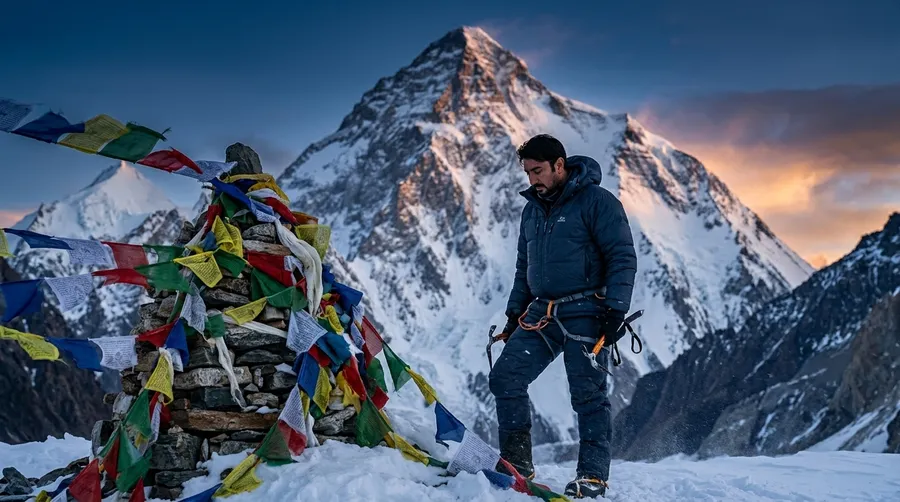
Nirmal Purja (Nimsdai): The Gurkha Who Redefined 8000m Mountaineering
Explore Nirmal Purja’s historic 14 peaks in 6 months, winter K2 first ascent, Gurkha SBS roots, high-altitude rescues, and enduring fearless alpine legacy.
Pakistan Alpine Expeditions & Summit Journals
Firsthand expedition logs, route topologies, and technical survival insights from Pakistan's most challenging 7,000m Karakoram giants and Himalayan peaks.
Expedition Overview & Alpine Record
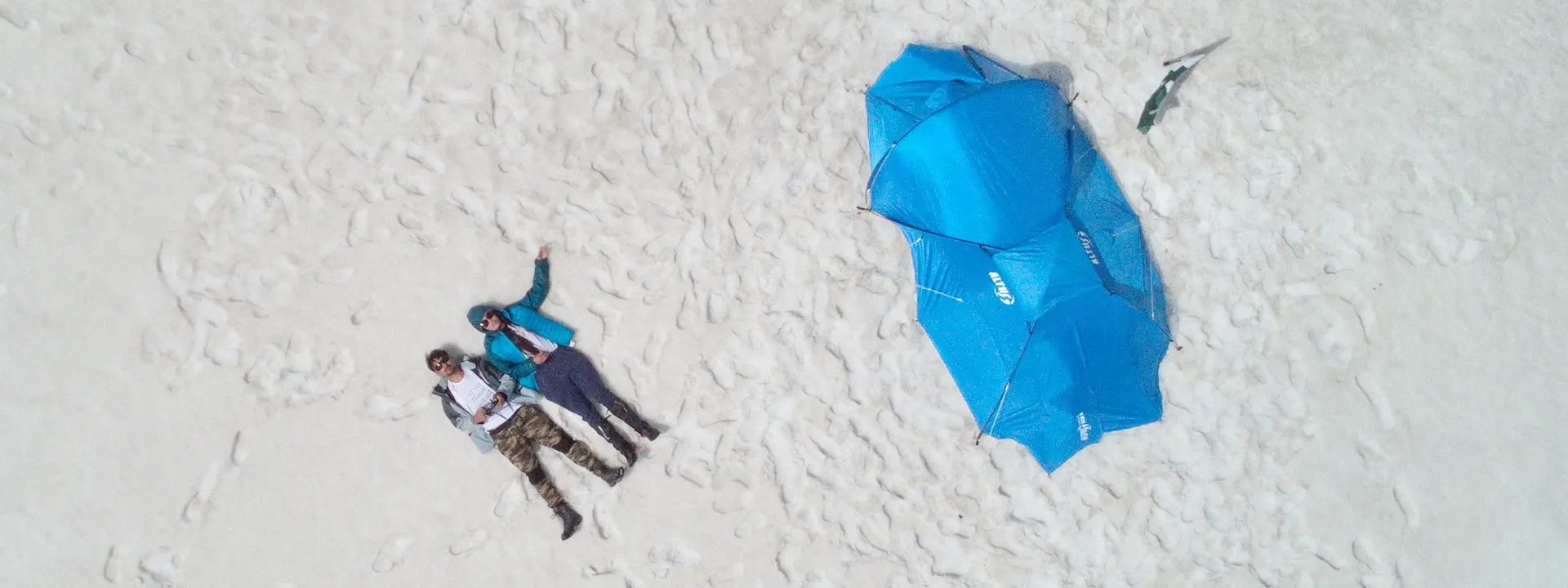
High-altitude mountaineering across Pakistan's Karakoram, Western Himalayas, and Hindu Kush ranges represents the apex of alpine endurance and technical hazard. Mountaineer and Enterprise Architect Goher K chronicles independent, non-commercial alpine ascents across 12 prominent summits—spanning technical 7,000-meter giants like Haramosh (7,409m), Spantik (7,027m), and Pamiri Sar (7,016m) to high-altitude training crucibles like Musa ka Musalla (4,080m) and Miranjani (2,992m). Each expedition log documents unassisted route topologies, sub-zero cold survival, gear selection, and physiological acclimatization protocols.
Methodology & Mindset
Conquering high-altitude Karakoram peaks requires more than physical tenacity. It demands surgical logistics, disciplined acclimatization, and high-altitude risk control.
Endurance training, cardiovascular capacity, and mental resilience form the foundation. Conditioning begins months before stepping onto the glacial moraine.
From high-altitude base camp logistics to selecting double mountaineering boots and 4-season geodesic tents, meticulous planning prevents fatal gear failures.
Climb high, sleep low. Systematic stage-gating and rotational camps are essential to stimulate red blood cell production and prevent AMS, HAPE, or HACE.
Reading micro-weather windows, establishing high alpine bivouacs, and executing calculated pushes into the death zone where turnaround times are non-negotiable.
A comprehensive directory of independent summits logged across the Karakoram, Western Himalayas, and Hindu Raj ranges. Click any summit to read the complete expedition chronicle.
The foundational staging grounds for legendary eight-thousander Karakoram expeditions.
K2 Base Camp
Situated at 5,150 meters beneath the sheer Abruzzi Spur on the Godwin-Austen Glacier, facing the mighty Savage Mountain.
Broad Peak Base Camp
Located at 4,960 meters along the central Baltoro Glacier, staging access for the West Ridge normal route.
Nanga Parbat Base Camp
Staged beneath the formidable 4,500-meter vertical Rupal Face in the Western Himalayas, the highest mountain wall on Earth.
Firsthand ascent narratives, technical gear breakdowns, route topologies, and high-altitude survival logs across the Karakoram, Western Himalayas, and Hindu Kush.
Explore Nirmal Purja’s historic 14 peaks in 6 months, winter K2 first ascent, Gurkha SBS roots, high-altitude rescues, and enduring fearless alpine legacy.
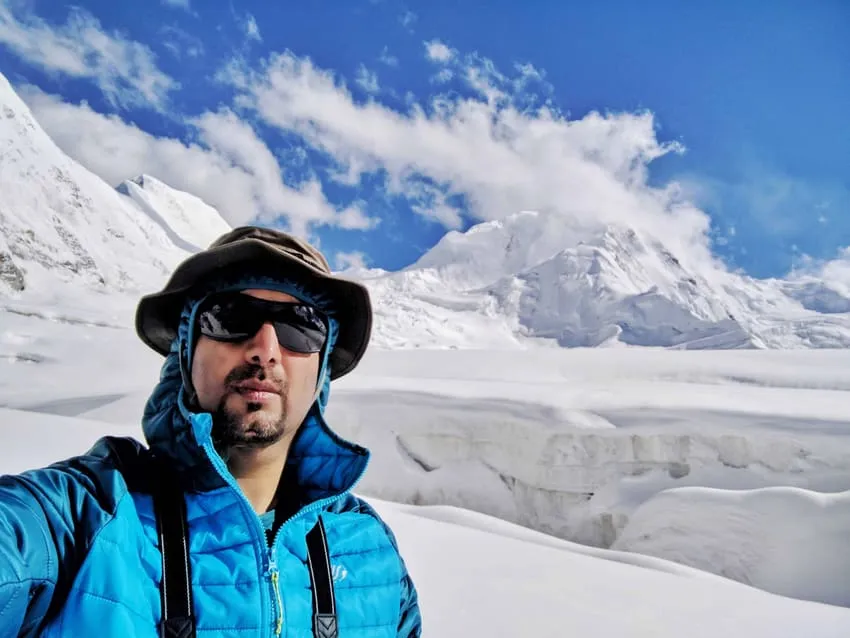
Complete expedition chronicle of Haramosh (7,409m). Learn how to navigate the notorious Haramosh La pass, deadly ice seracs, and unpredictable blizzards.
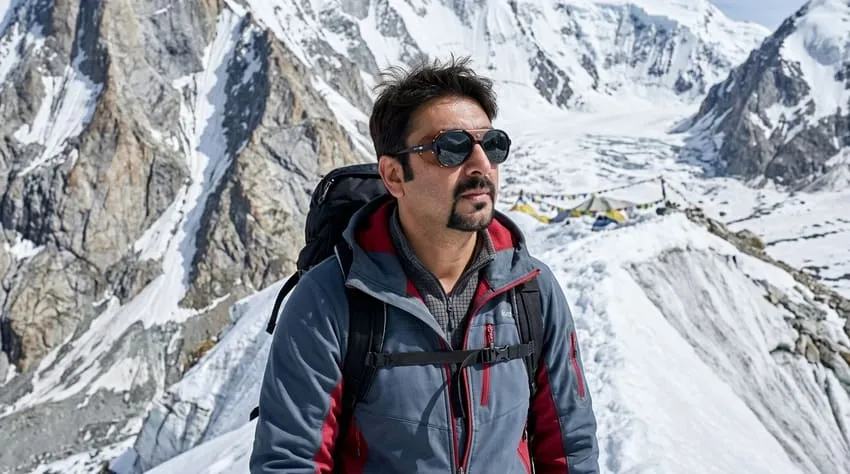
Complete guide to Spantik (7,027m Golden Peak). Discover Southeast Ridge alpine routes, high camps, sub-zero survival, and the Chogo Lungma glacier approach.
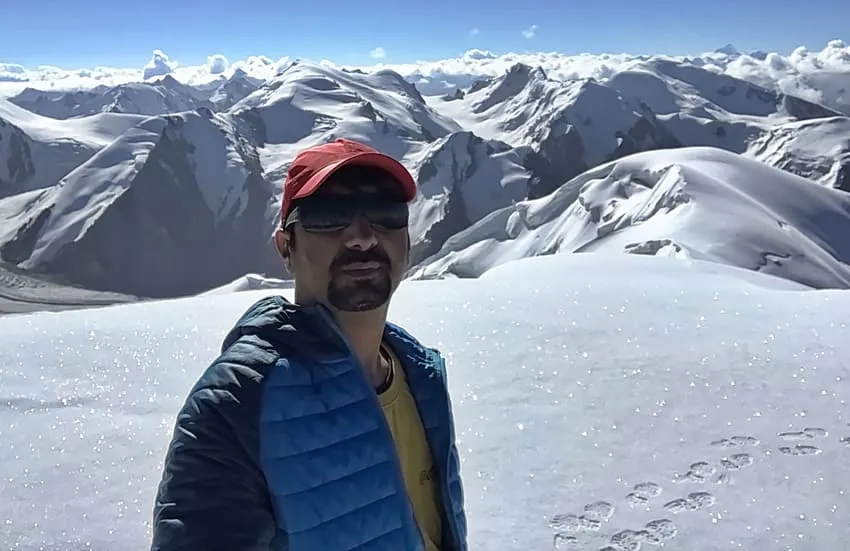
Complete climbing guide to Minglik Sar (6,050m). Master the rugged Shimshal Pass traverse, high acclimatization cycles, Wakhi camps, and Karakoram peak routes.
Mountaineering FAQ
Expert insights into high-altitude expedition planning, technical gear selection, and Karakoram route conditions.
Our expedition logs cover Pakistan's three greatest mountain systems: the Karakoram (Haramosh, Spantik, Pamiri Sar, Laila Peak, Koser Gunge, Minglik Sar), the Western Himalayas (Nanga Parbat base camps, Hazara alpine peaks), and the Hindu Kush / Hindu Raj (Falak Sar, Churko Peak).
Commercial expeditions rely on fixed ropes, hired high-altitude porters, commercial cooks, and pre-laid camps. Independent alpine-style climbing emphasizes self-sufficiency: conducting your own route recon, carrying your own gear, establishing camps independently, and respecting the raw environment without commercial artificial aids.
Climbers must build progressive altitude conditioning starting with steep 3,000m to 4,000m endurance grinds (such as Miranjani and Musa ka Musalla), progress to 5,000m technical alpine routes (such as Churko Peak or Falak Sar), and maintain a high base of cardiovascular VO2 max and mental tenacity before entering the thin air of 7,000-meter peaks like Spantik.
We strictly follow the "climb high, sleep low" acclimatization doctrine, limiting sleeping elevation gain to no more than 300 to 500 meters per day above 3,000m. Staying hydrated with 4+ liters of fluids daily, consuming sufficient electrolytes, recognizing early symptoms, and having an immediate descent protocol are mandatory safety standards.
Mandatory gear includes 800+ fill-power down expedition suits, double technical mountaineering boots (rated to -30°C or -40°C), 12-point steel crampons with anti-balling plates, technical ice axes, climbing harnesses, dynamic and static ropes, snow pickets, ice screws, four-season geodesic tents, and comprehensive satellite communication devices.
The prime mountaineering season in the Karakoram runs from mid-June through late August, when warmer temperatures stabilize snowpacks and open glacial moraines. Sub-alpine peaks in the Galyat and Kaghan regions are best climbed from May to October, with winter ascents possible for trained climbers using snowshoes or crampons.
Experienced trekkers and aspiring alpinists can submit an expedition inquiry through the contact form below. We provide independent technical guidance on Karakoram route topologies, logistics coordination, acclimatization scheduling, and equipment selection.
Have questions about routes, gear, or high-altitude philosophy? Drop me a message below.